

Three days is enough to fall for Seoul if you spend them right. This is the route I'd hand a friend flying in: old palaces and hanok lanes on the first day, the city's cooler and newer side on the second, and big views plus shopping to finish. It's built to flow, so you're never crossing the city twice in a day, and each afternoon has room to slow down and just wander.
Two things to set up before you start. Get a T-money card and load it, since the subway is how you'll move between everything below, and my guide to getting around Seoul walks you through it. And skim my note on local etiquette, which will save you a couple of small awkward moments in your first hour here.
Day 1: old Seoul, palaces and hanok
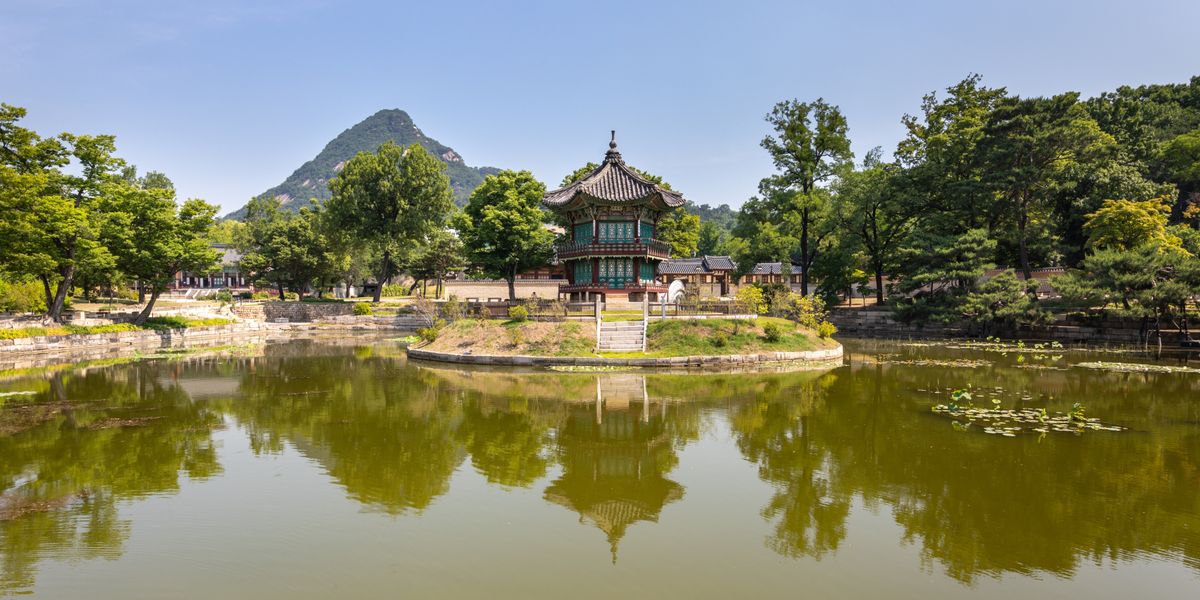
Start north of the river, where Seoul is at its oldest. Be at Gyeongbokgung, the largest and main of the royal palaces, by around 9 so you beat the crowds and catch the changing of the guard at the main gate at 10 (it runs again at 2, but not on Tuesdays, when the palace is closed). If you rent a hanbok from one of the shops by the station, you walk in free, and you'll want the photos anyway.
From there it's a short walk uphill into Bukchon Hanok Village, a hillside of restored traditional houses with the palace and the city laid out below. People actually live here, so keep your voice down in the lanes. When you've had your fill, drop into nearby Insadong for tea, paper, brushes, and the kind of souvenirs worth carrying home.
For dinner, head to Gwangjang Market and eat standing up. This is one of the city's oldest markets, and the food alley is the point: bindaetteok (crisp mung-bean pancakes, from about 5,000 won), mayak gimbap (tiny addictive rice rolls you dip in mustard soy), and yukhoe, Korean raw beef, for the brave (pricier, but the market's signature). It's busiest and best from late afternoon into the evening. If you want the wider picture of what you're eating this week, my guide to the dishes worth trying has you covered.
Day 2: new Seoul, cafes and a dinner worth lining up for
Day two swings to the Seoul that surprises people. Spend the morning in Seongsu, the old shoe-factory district that turned into the city's coolest neighborhood, all warehouse cafes, pop-up stores, and the green sprawl of Seoul Forest. Come with no plan and just follow whatever looks good.
For lunch, this is your chance at one of Seongsu's line-out-the-door restaurants. My guide to the Seongsu spots worth the wait tells you which to pick and how to time the queue with the waitlist apps.
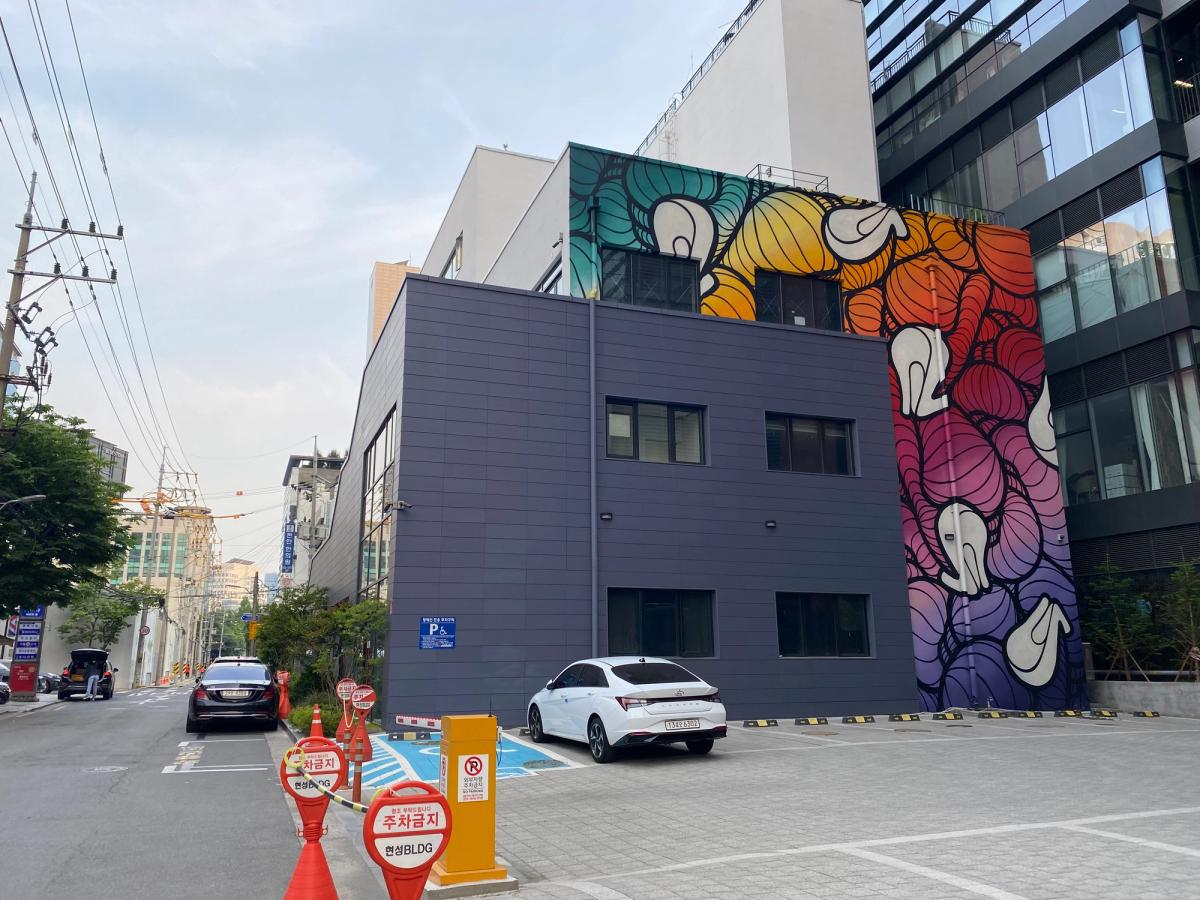
In the afternoon, pick your energy. Hongdae, the university quarter, is all street buskers, cheap eats, and shopping; Dongdaemun's giant DDP is design and late-night markets. Then have the meal you flew here for, Korean barbecue, grilling your own at the table, and finish by the Han River. Grab convenience-store snacks and instant ramyeon, cook it at the riverside machines, and sprawl on the grass to watch the city light up. On a warm night half of Seoul is right there with you.
Day 3: views, shopping, and a day to play with
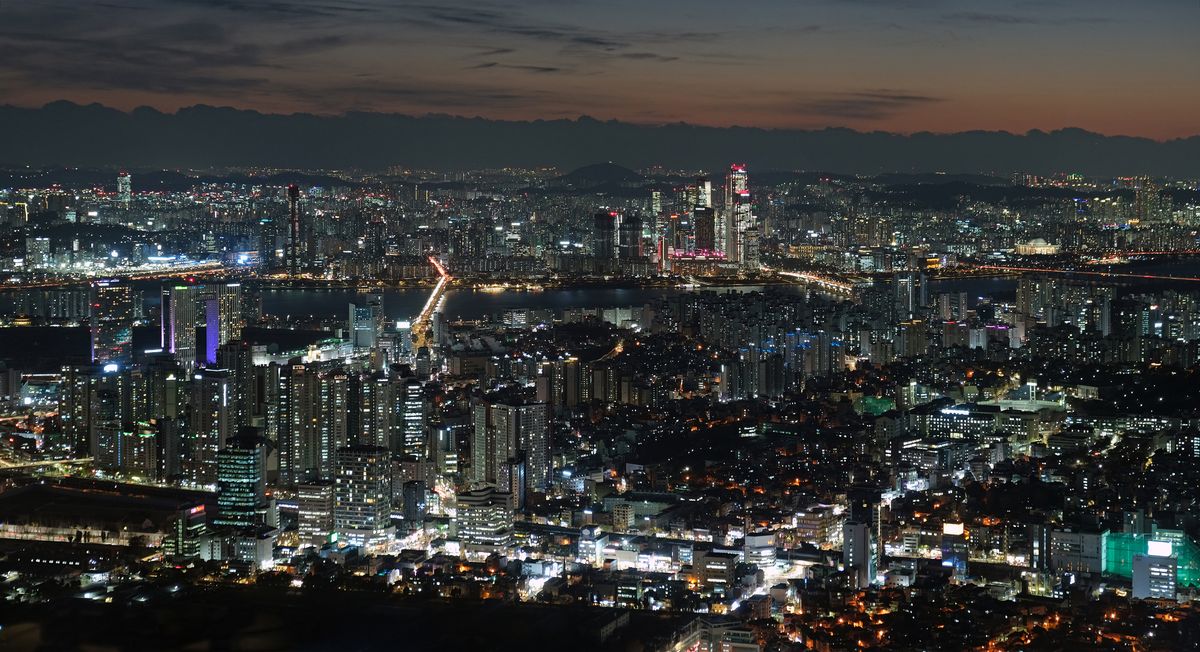
Go up first. Take the cable car from near Myeongdong Station up Namsan to N Seoul Tower, the mountain-top landmark in the middle of the city, for a full 360 over Seoul (open late, until about 10:30 pm on weekdays and 11 pm on weekends, so check the day you go). Go on a clear morning and you'll see how the whole city sits in a ring of mountains. If you'd rather earn the view, the walk up through Namsan Park is gentle and shaded.
Come down into Myeongdong for the afternoon: K-beauty shops stacked three floors high, street-food carts, and Namdaemun Market next door for everything under one roof. For your last evening, either drift back to the Han River for a night cruise, or, if three days in the city is enough, swap this whole day for a trip out. The DMZ up on the border and Nami Island's tree-lined paths (about ninety minutes east, and a separate direction entirely) are two of the easiest day tours out of Seoul.
Where to base yourself
- Myeongdong or Jongno. Central, walkable, and close to the palaces. The easy choice for a first visit.
- Hongdae. Young, loud, and cheap, with the best late-night energy if that's what you're after.
- Seongsu or Seongdong. Trendy and a little calmer, with the cafes on your doorstep.
- Gangnam. Polished and upscale, though it puts you south of most of this itinerary.
A few things that make it easier
- Tap in with a T-money card. One card covers the subway and buses for the whole trip. See getting around Seoul for the how.
- Pay with a card or your phone. You'll rarely need cash, though it's worth carrying a little for markets. More in do you need cash in Korea.
- Sort your data first. An eSIM or SIM keeps your maps and translation apps running. Here's the eSIM and SIM rundown.
- Relax, it's safe. Seoul is one of the safest big cities you'll visit, day or night, as I explain in is Seoul safe.
- Time it for spring or autumn. If you can pick your season, those are the ones the city is built for.
Opening hours, ceremony times, and prices here are checked against official and current listings as of July 2026. Details change, so confirm the specifics before you build your day around them.